What is Africa’s role in the green energy transition? With a wealth of renewable energy resources—including solar, wind, and hydro—Africa holds the potential to play a pivotal role in driving the world’s energy future.
But beyond simply supplying energy, this shift presents a unique opportunity for economic growth across the continent. The rising interest in green energy development, paired with Africa’s vast underutilized land and resources, means the region is poised to become a magnet for investment. Governments and private investors alike are beginning to take notice, recognizing the economic value of renewable energy in Africa.
Investment Opportunities in African Renewable Energy Projects
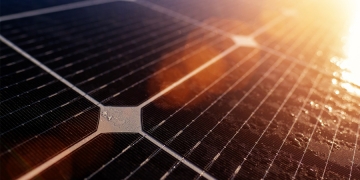
Investment in Africa’s renewable energy sector is growing, and for good reason. Countries like Morocco and Kenya are already leading the charge with ambitious solar and geothermal projects, while South Africa continues to build its wind energy capacity. These nations demonstrate what can be achieved when governments and businesses collaborate to embrace the energy transition. Investors should look towards both large-scale projects and small to medium enterprises (SMEs), particularly in energy storage solutions, off-grid technologies, and innovative energy distribution methods. As the green energy sector develops, it will also unlock further economic benefits—generating jobs and fostering local businesses to support these projects.
Also read: Africa’s carbon trade: Top markets leading the way
Public-Private Partnerships and International Support
One of the key factors driving Africa’s green energy boom is international backing. Multilateral institutions such as the World Bank and the African Development Bank (AfDB) have increasingly funded sustainable energy projects on the continent. Coupled with local public-private partnerships, these investments are proving to be catalytic for regional growth. For Africa, this support is critical to overcoming challenges like regulatory barriers, infrastructure development, and the high upfront costs associated with renewable projects. As these hurdles are addressed, the opportunities for deeper investment and economic transformation will only grow.
Africa’s Strategic Role in the Global Carbon Market
In the global carbon market, Africa is uniquely positioned to capitalize on its green energy resources. Several African countries have already begun leveraging carbon credits, which provide both environmental and financial benefits. The carbon trading market not only serves as an incentive for sustainable practices but also opens up new revenue streams for African governments and businesses alike. Moreover, carbon credit initiatives can spur additional investment into renewable projects, creating a virtuous cycle of growth. This emerging market is vital to the future of Africa’s energy economy, promising both sustainable development and financial returns.
Also read: What are carbon markets and why they are important for Africa
The Road Ahead: Challenges and Solutions
Despite the promise, Africa’s journey towards becoming a global leader in green energy faces several challenges. Infrastructure deficits, particularly in energy transmission and distribution, need immediate attention. Additionally, governments must create robust regulatory frameworks to attract international investors. Solutions lie in continued collaboration between the public and private sectors, more favorable financing terms for large-scale projects, and capacity-building initiatives. By tackling these issues head-on, Africa can fully realize its potential, turning its abundant resources into lasting prosperity.