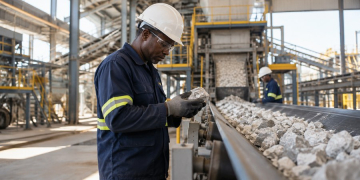
The Cabinda oil refinery in Angola is on track to begin operations by April 2025, marking a key development in the country’s energy sector. A partnership between Gemcorp Holdings Limited and Angola’s state-owned oil company, Sonangol, the refinery is designed to reduce Angola’s heavy reliance on imported refined petroleum products.
The first phase of the project will include a crude distillation unit capable of processing 30,000 barrels of Cabinda crude oil per day, which will meet approximately 5-10% of the country’s fuel needs.
Despite facing challenges, including budget overruns caused by the COVID-19 pandemic and inflation, the refinery project has managed to progress ahead of schedule. The commissioning phase is expected to occur between January and February 2025, with the first supplies of refined fuels hitting the local market by March or April of that year. This timeline represents a significant achievement for Angola, which has long depended on importing nearly all its refined petroleum products while exporting the majority of its crude oil.
Also read: Angola strengthens commitment to international Humanitarian Law
The establishment of the Cabinda refinery is part of Angola’s strategic plan to enhance energy independence and security. By processing crude oil domestically, the country aims to reduce its costly reliance on fuel imports, which have long posed economic inefficiencies. The move will not only meet a significant portion of domestic fuel demand but also provide Angola with greater control over its energy resources, contributing to long-term economic stability.
Looking ahead, the Cabinda refinery is poised to expand further. A second phase is planned, which will double the refinery’s processing capacity to 60,000 barrels per day. This expansion will also introduce a hydrocracking unit, allowing for the production of diesel and jet fuel.
Expected to be completed within two years of the refinery’s startup, the second phase will significantly boost Angola’s refining capacity, positioning the country to meet more of its fuel needs domestically and contribute to economic growth.