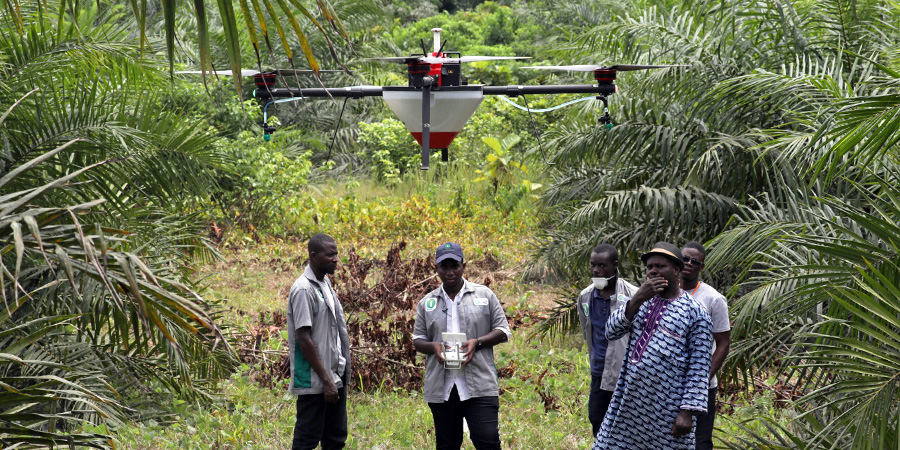
Rwanda has intensified its fight against illegal mining through aerial surveillance, leveraging drones to monitor and curb unlawful activities, particularly in hard-to-reach areas.
This technology-driven strategy is yielding significant results, helping to shut down illegal mining sites, protect the environment, and promote fair competition for legitimate businesses.
Joint Operations and Key Achievements
The Rwanda National Police (RNP), in collaboration with the Rwanda Mines, Petroleum and Gas Board (RMB) and local authorities, launched joint operations in June 2024. According to ACP Boniface Rutikanga, Police Spokesperson, drone surveillance has successfully identified and led to the arrest of illegal miners in Rulindo, Musanze, Kamonyi, and Rwamagana districts—regions rich in precious minerals.
By December 2024, authorities had arrested over 20 ringleaders, prosecuting them under newly tightened mining laws. Additionally, hundreds of illegal mining workers were educated on risks and encouraged to form legal cooperativesto access the sector lawfully.
Impact on Legal Mining Operations
Illegal mining had undermined licensed mining companies, often leading to violent encounters between illegal miners and local leaders. With the closure of illegal mining sites, law-abiding companies can now operate fairly and safely, improving overall sector efficiency.
RMB’s Future Plans and Inspections
Speaking to The New Times, RMB CEO Francis Kamanzi emphasized the effectiveness of drone inspections, particularly in hilly and remote areas. During an August–September 2024 nationwide inspection with RNP, drones uncovered multiple non-compliance cases, leading RMB to revoke 55 mining licenses. Operators were penalized for practices such as mining near rivers and washing minerals in water bodies, actions that harm the environment.
Also read: Rwanda’s Central Bank Keeps Interest Rate at 6.5% to Tame Inflation
Kamanzi highlighted plans for RMB to acquire its own drone fleet, reducing reliance on RNP’s aerial policing and ensuring greater sector oversight.
Stronger Legal Framework and Tougher Penalties
To deter illegal mining, Rwanda tightened penalties under its 2024 mining and quarry operations law:
- Individuals found mining without a license face 2-5 years imprisonment and fines between Rwf25 million and Rwf50 million.
- Companies, cooperatives, and partnerships involved in illegal mining face fines ranging from Rwf60 million to Rwf80 million.
- These new penalties significantly exceed previous fines of Rwf1 million to Rwf5 million under the 2018 mining law.
Rwanda’s Mining Sector Growth Targets
Rwanda aims to nearly double its annual mineral export revenues, increasing from $1.1 billion in 2023 to $2.17 billion by 2029, under the National Strategy for Transformation (NST2).
Technology-Driven Future for Mining Regulation
The success of drones in mining surveillance signals Rwanda’s commitment to modernizing mining oversight and ensuring sustainable sector growth. With enhanced enforcement, stronger policies, and continued investment in technology, Rwanda is setting a benchmark for responsible mining regulation in Africa.