Thursday, October 22, 2026
FurtherArabiaFurtherAsiaFurtherBrazil
No Result
View All Result
FurtherAfrica
  • Countries
    • Angola
    • Botswana
    • Cape Verde
    • DRC
    • Eswatini
    • Ethiopia
    • Kenya
    • Malawi
    • Mauritius
    • Mozambique
    • Namibia
    • Nigeria
    • Rwanda
    • South Africa
    • Tanzania
    • Uganda
    • Zambia
    • Zimbabwe
  • Interviews
  • Understanding
  • Videos
  • Travel
  • Weekend
  • About
  • EN
  • PT
  • AR
  • IT
No Result
View All Result
FurtherAfrica
No Result
View All Result
Home Agriculture & Food Security

Ethiopia Coffee Exports Hit Record US$3bn as Government Targets US$6bn by 2031

Liya Bekele by Liya Bekele
July 1, 2026
in Agriculture & Food Security, Ethiopia, FA, Investment, Macroeconomics & Policy, Sustainability & ESG, Trade & Logistics
Reading Time: 3 mins read
951 50
0
Share via QR codeWhatsappShare on Facebook
Share on X
LinkedInPinteresteMail
Ethiopia coffee exports have reached a new high, with the government confirming US$3bn in earnings for the 2025/26 fiscal year and setting an ambitious target to double that to US$6bn by 2031.


This shift signals a strategic push to turn the country’s historic coffee strength into a more modern, investment-ready agri-export sector.

Coffee at the core of Ethiopia’s export story

Ethiopia’s Minister of Agriculture Addisu Arega stated that coffee generated US$3bn in 2025/26, accounting for more than 30% of Ethiopia’s total export revenue. That share underlines coffee’s status as the country’s leading foreign exchange earner and a key anchor for macro stability.

The performance builds on strong momentum. According to the Ethiopian Coffee and Tea Authority (ECTA), Ethiopia earned about US$2.6–2.65bn from exporting around 470,000 tonnes of coffee in 2024/25. The year-on-year increase in export receipts reflects both sustained global demand for Ethiopian arabica and incremental gains in volumes and value.

Coffee remains deeply embedded in Ethiopia’s rural economy. Industry estimates suggest that more than six million smallholder farmers grow coffee across diverse agro-ecological zones, from the highlands of Sidamo and Yirgacheffe to Limu and Harrar. These origins underpin the country’s reputation as the birthplace of Coffea arabica and support a differentiated position in specialty markets.

Agriculture still employs the majority of Ethiopia’s workforce and remains a major source of exports. Within that, coffee functions as both a cash crop and a development tool, supporting household incomes, local services and wider rural demand. For policymakers, the sector offers one of the clearest routes to combine export growth with inclusive development.

However, the model is shifting. Authorities now want to move beyond relying mainly on area expansion and traditional practices. The focus is turning to productivity, value chain efficiency and higher value capture inside Ethiopia.

A five-year strategy with US$6bn in its sights

The government has unveiled a new five-year national coffee development package designed to change the sector’s economics by 2031. Minister of Agriculture Addisu Arega presented the programme as a way to increase foreign-exchange earnings from coffee and strengthen the sector’s contribution to rural livelihoods.

At the core is a step change in yields. Director General of the ECTA, Adugna Debela, said the programme aims to lift average yields from about 9 quintals per hectare (approximately 900 kilograms) to around 21 quintals per hectare (about 2,100 kilograms) by 2031, more than doubling current performance. If that target is met, officials project that annual coffee export earnings could reach roughly US$6bn.

To get there, the strategy focuses on several pillars:

  • Improved farming practices, including wider use of modern agronomy and better husbandry.
  • Dissemination of higher-quality, higher-yielding seed varieties aligned with local conditions.
  • Expanded extension services to reach more smallholders with technical support.
  • Stronger market access and value chains, including better links to exporters and processors.

The programme also aligns with wider continental shifts. Across Africa, governments are pushing for more value addition, domestic processing and deeper participation in global commodity markets. In coffee, that means more investment in washing stations, dry mills, logistics, and eventually roasted and branded products.

For investors, the numbers matter. Export earnings of US$3bn already indicate a large, liquid origin. A credible path to US$6bn, built on productivity rather than just area expansion, points to a sizeable pipeline of capex and working-capital needs along the chain.

Moreover, the international backdrop remains supportive. Global coffee demand has held firm, even as prices fluctuate with weather, currencies and speculative flows. Ethiopia’s recognised origins and growing specialty profile add some pricing power, especially if quality and traceability standards rise in tandem with volumes.

There are risks. Climate variability, input costs and global price cycles will continue to test margins at farm and export level. Domestic competition for coffee cherries from a vibrant local consumption market may also limit exportable surpluses in some years. Execution capacity will be critical: raising average yields for millions of smallholders is a complex task.

Yet the direction of travel is clear. Ethiopia coffee exports are moving from a largely volume-driven story to one anchored in productivity, quality and value-chain investment.

For investors and financiers, the next five years will reveal which actors can convert the government’s strategy into bankable projects in farm inputs, processing, logistics and downstream branding. Those who position early in Ethiopia’s coffee value chain will be best placed if the US$6bn export target starts to come into view.
Related

Tags: addisu aregaAdugna DebelaAfrica agricultureAfrican exportsagri-exportagronomyArabica coffeecoffee exportscoffee processingcoffee productioncommodity marketsEast AfricaECTAEthiopiaEthiopian Coffee and Tea Authorityexport earningsfood securityforeign exchangeHarrarInvestment OpportunityLimuMinistry of Agriculture Ethiopiarural developmentSidamosmallholder farmersspecialty coffeetrade policyvalue chainyield improvementYirgacheffe
ScanSendShare400
Tweet250
Share70Pin90Send
Liya Bekele

Liya Bekele

Born and raised in Bahir Dar, Londoner at heart, Middlesex Uni, focused on exploring Ethiopia’s evolving economy and uncovering the opportunities it presents, with a particular interest in sustainable development and innovation.

Related Posts

Inhambane Governos, Francisco Pagula and Italian Ambassador Gabriele Annis
Investment

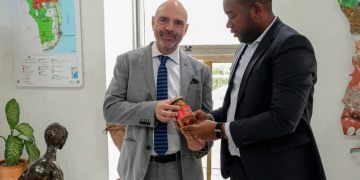
Inhambane investment opportunities attract Italian interest

by FurtherAfrica
October 22, 2026
Mining & Resources

Mozambique mineral processing deals reach US$4.2B

by FurtherAfrica
October 22, 2026
Trade & Logistics

Africa has signed the export deals. Now it must build the capacity to use them

by FurtherAfrica
October 21, 2026
IFC investments in Portuguese-speaking Africa doubles in decade
Development Finance

IFC eyes US$7.5M loan to Cauris African fintech fund

by FurtherAfrica
October 21, 2026
Energy & Power

FMO backs Côte d’Ivoire solar with US$62M

by FurtherAfrica
October 21, 2026
FurtherAsia

Read the Latest

Inhambane Governos, Francisco Pagula and Italian Ambassador Gabriele Annis
Investment

Inhambane investment opportunities attract Italian interest

by FurtherAfrica
October 22, 2026
0

Inhambane investment opportunities in tourism draw Italian attention ahead of a US$500M summit pipeline in November 2026.

Read moreDetails

Mozambique mineral processing deals reach US$4.2B

October 22, 2026

Africa has signed the export deals. Now it must build the capacity to use them

October 21, 2026
IFC investments in Portuguese-speaking Africa doubles in decade

IFC eyes US$7.5M loan to Cauris African fintech fund

October 21, 2026

FMO backs Côte d’Ivoire solar with US$62M

October 21, 2026

FurtherAfrica Partners Network

The ExchangeFarmers Review Africa360 Mozambique
TechGist AfricaEnergy Capital & PowerClub of Mozambique
Taarifa RwandaWeb3AfricaSee Africa Today
Africa Global FundsNovafricaCrudeMix Africa
Harambee AfricaBotswana unpluggedFinancial Insights Zambia
O EconómicoDigilogic Africa 
FurtherAfrica

© 2021 FurtherMarkets

FurtherAfrica is a FurtherMarkets platform

  • Countries
  • Interviews
  • Understanding
  • Videos
  • Travel
  • Weekend
  • About
  • EN
  • PT
  • AR
  • IT

Follow Us

Welcome Back!

Login to your account below

Forgotten Password?

Retrieve your password

Please enter your username or email address to reset your password.

Log In
No Result
View All Result
  • Countries
    • Angola
    • Botswana
    • Cape Verde
    • DRC
    • Eswatini
    • Ethiopia
    • Kenya
    • Malawi
    • Mauritius
    • Mozambique
    • Namibia
    • Nigeria
    • Rwanda
    • South Africa
    • Tanzania
    • Uganda
    • Zambia
    • Zimbabwe
  • Interviews
  • Understanding
  • Videos
  • Travel
  • Weekend
  • About
  • EN
  • PT
  • AR
  • IT

© 2021 FurtherMarkets

This website uses cookies. By continuing to use this website you are giving consent to cookies being used. Visit our Privacy and Cookie Policy.