Turning local fruit into export-grade oil
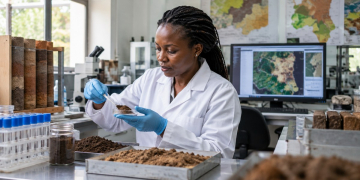
Ecovado, founded by entrepreneur Hulisani Mudau, is based in the Vhembe District of Limpopo. The region produces significant volumes of avocados but has long lacked agroprocessing capacity. The new facility changes that. It runs on a dedicated Alfa Laval processing line, using centrifugal extraction to produce high-quality cold-pressed oil for food and cosmetics markets.
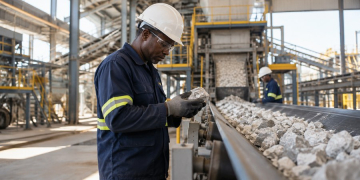
Most output targets export channels. This places the operation directly inside global value chains for premium edible oils. The extraction system combines mechanical conditioning with continuous centrifugal separation. As a result, the plant meets export specifications while keeping processing close to the orchards.
Farmers gain a reliable local off-taker. Ecovado, meanwhile, captures margin that previously left the region entirely. The model is compact, commodity-focused and anchored in a defined rural catchment.
Community supply and local employment
The facility is operational and employs local residents. It sources fruit directly from small-scale growers in surrounding communities. Alfa Laval Middle East, South and East Africa acts as the technology partner. It supplies the hardware and separation systems, while Ecovado manages construction, integration and daily operations.
Alfa Laval has also donated funds to purchase avocado seedlings for small-scale farmers around Venda. This seedling support expands local production and secures long-term feedstock for the plant. New and existing growers can now move into commercial avocado cultivation.
The initiative links industrial processing directly with primary production. It does not rely solely on large estates. That structure deepens the supply base and reduces feedstock risk as global demand for avocado products grows.
What does this deal mean for investors?
The plant pays cash for harvests from small-scale growers in the Vhembe District. It creates new income streams for households that previously sold mainly into fresh markets. Ecovado plans to expand its supplier network as volumes rise, increasing export output and positioning Venda as a competitive node in global avocado oil trade.
Rural avocado oil processing across Africa is moving from concept to practice. More facilities are converting substandard fresh fruit into higher-value oil. The Ecovado initiative places South Africa squarely in that shift.
For investors, the project carries three clear signals. Mid-scale agroprocessing anchored in a single commodity can attract global industrial technology partners and reach export markets. Premium niche products like avocado oil can support local employment while delivering margins aligned with food and cosmetics demand cycles. Seedling finance and technical support deepen supply chains and lower long-term feedstock risk.
A scalable model for Southern Africa
Combining advanced processing lines with community-based supply can turn fragmented rural harvests into a scalable export business. The model reflects broader trends in African agribusiness, where value-addition at source increasingly attracts private capital and technology partnerships.
As production ramps up and supplier networks widen, investors and policymakers should watch how this Venda plant shapes farmer participation, pricing dynamics and regional export positioning across Southern Africa’s emerging avocado oil sector.
Quick answers
The plant is located in Venda, within the Vhembe District of Limpopo, South Africa — a region with significant avocado production but historically limited processing capacity.
Alfa Laval Middle East, South and East Africa supplies the full processing line, including centrifugal extraction hardware and separation systems, with Ecovado managing operations.
The facility purchases fruit directly from small-scale growers in surrounding communities and benefits from Alfa Laval funding for avocado seedling donations, expanding local supply capacity.