The initiative is not a single loan or grant. It combines policy reforms, structured guarantees and investment platforms to draw private capital into productive sectors. The International Finance Corporation and the Multilateral Investment Guarantee Agency both support the approach.
Digital infrastructure draws up to US$1.1B
The Building Resilient Digital Infrastructure for Growth project — known as BRIDGE — is the centrepiece of the digital component. Its first investor-selection round is expected to mobilise at least US$156 million in private equity. Subsequent rounds could raise that total to US$1.1 billion by 2030, according to World Bank figures.
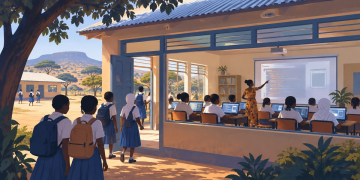
Coverage is projected to expand from 92 million Nigerians in 2025 to roughly 150 million by 2030. That growth represents 58 million additional people gaining affordable broadband access. BRIDGE targets 38,800 public schools, 16,900 health facilities and 3,400 local government offices for high-speed connectivity. The project is also expected to reach 42 million young people and 15 million women.
For infrastructure investors, BRIDGE offers demand backed by public-sector reform commitments. The procurement timetable is a key near-term milestone to monitor.
What does FINCLUDE mean for SME investors?
The FINCLUDE programme is the largest single financing component. It is expected to mobilise nearly US$1.89 billion in private capital. The programme targets more than 250,000 micro, small and medium-sized enterprises across employment-intensive sectors.
In total, FINCLUDE aims to support roughly 850,000 direct and indirect jobs. That scale positions it as a significant channel for commercial lenders seeking access to Nigeria’s underserved SME segment. The blended structure may lower entry barriers for banks previously reluctant to lend to smaller borrowers.
Blended finance instruments are directing private capital into sectors that commercial lenders have historically avoided — that is the defining feature of this programme.
Agriculture and industry anchor the broader pipeline
The agricultural and industrial components broaden the pipeline further. World Bank reporting references financing linked to Dangote Industries and Indorama Fertilizer as part of the broader capital mobilisation effort. These anchor investments signal that large-scale industrial players are active participants, not merely bystanders.
However, the programme is broader than any single company. Guarantees and structured finance are the tools widening capital access across the value chain.
Policy reforms underpin investor confidence
Reforms introduced since 2023 — covering foreign exchange and public finance — form the policy foundation. The World Bank credits these measures with improving Nigeria’s investment environment. Without them, private capital mobilisation at this scale would be difficult to sustain.
Investors and executives should watch BRIDGE’s procurement rounds, FINCLUDE disbursement rates and agricultural project execution as the clearest indicators of programme momentum through 2026 and beyond.
Quick answers
The World Bank Group is mobilising up to US$5.79 billion in private financing in Nigeria in fiscal 2026, spanning digital infrastructure, SME lending and agriculture.
FINCLUDE aims to support roughly 850,000 direct and indirect jobs by targeting more than 250,000 micro, small and medium-sized enterprises across employment-intensive sectors.
BRIDGE is Nigeria’s Building Resilient Digital Infrastructure for Growth project. Its first investor round targets at least US$156 million in private equity, with total private investment potentially reaching US$1.1 billion by 2030.