In recent years, the African continent has witnessed an unprecedented surge in fintech solutions that are redefining the banking sector. By incorporating technologies such as mobile payments and digital banks, fintech is driving financial inclusion and sparking innovation across Africa. These advancements not only enhance access to financial services but also reshape economic landscapes, proving crucial in a region historically underserved by traditional banking systems.
The primary driver behind the proliferation of fintech in Africa is the pervasive use of mobile technology. With over a billion mobile phone subscribers, Africa offers an unparalleled opportunity for fintech firms to deliver banking services directly to consumers’ pockets. Mobile payments, for example, have emerged as a seminal development in this field. Services such as M-Pesa in Kenya have revolutionised the way people handle money, enabling transactions to be done quickly and securely without requiring access to a physical bank. By bridging the gap where traditional banking has fallen short, these solutions foster greater financial inclusion in remote areas.
Digital banks are another pillar sustaining fintech’s rise in Africa. Unlike conventional banks, digital banks offer ease of access, lower operational costs, and the flexibility to innovate rapidly. They are tailored to meet the unique needs of African consumers by providing cost-effective solutions that minimise the barriers of entry to financial services. As a result, individuals and small businesses—previously excluded from financial systems—can now access loans, credit, and savings accounts almost effortlessly. This shift not only democratizes financial services but also empowers underbanked populations, thus catalysing socio-economic transformations.
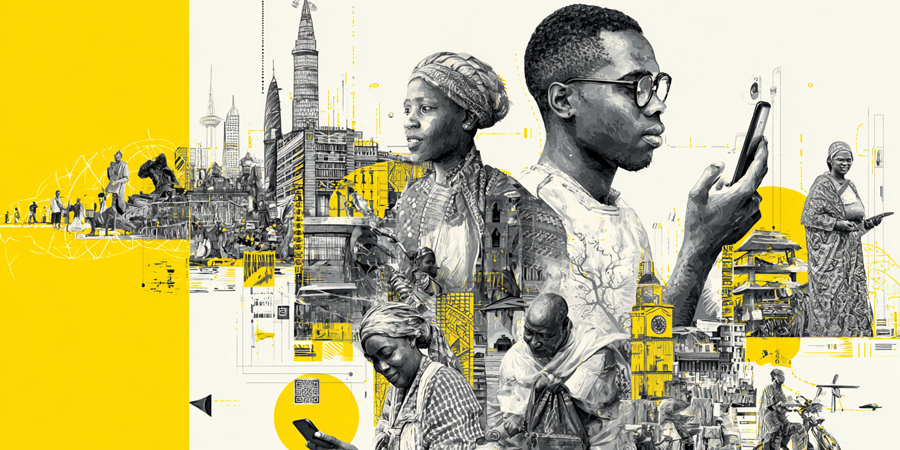
Innovation in African fintech is also driven by the region’s distinctive socio-economic challenges. For instance, fintech firms are employing blockchain technology to ensure secure and transparent transactions, mitigating issues related to fraud and corruption. Moreover, the agility of fintech enables real-time economic responses to crises; this was particularly evident during the COVID-19 pandemic, when digital financial solutions played a pivotal role in distributing aid and sustaining commerce. Such innovation cements fintech’s role as a catalyst for comprehensive economic development.
Despite these advances, there are challenges and hurdles that fintech must overcome to reach its full potential in Africa. Issues such as regulatory bottlenecks, lack of infrastructure, and cybersecurity risks pose significant threats. However, as governments begin to recognise the value of fintech in promoting financial inclusion, there is an increasing trend towards creating conducive regulatory environments. Collaborative efforts between fintech companies, governments, and traditional banks are essential to build a robust financial ecosystem. Consequently, these efforts will further enable fintech to reshape and redefine banking across Africa.
In conclusion, the surge of fintech solutions like mobile payments and digital banks is significantly impacting financial inclusion and innovation across Africa. By addressing the gaps left by traditional banking, fintech redefines how financial services are accessed and utilised. Thus, it stands as a beacon of innovation and inclusion on the continent, leading the way towards a digitally empowered financial future.