Africa is no longer a passive market for vehicles—it is fast becoming a testing ground for electric mobility and a hub for regional auto manufacturing. With global automakers setting their sights on the continent, Africa’s electric vehicle (EV) story is shifting from scattered imports to a more structured industry that connects investment, infrastructure, and innovation.
Toyota’s 2026 EV Entry: A Turning Point
Toyota, a household name across Africa, has announced plans to introduce three fully electric vehicle models in South Africa in 2026. This decision marks a pivotal step in Africa’s automotive landscape, signalling a recognition of both the continent’s consumer potential and its role in global decarbonisation efforts.
While Toyota acknowledges structural challenges—such as high import tariffs, affordability constraints, and limited charging infrastructure—the entry of such a heavyweight signals long-term confidence. It also puts pressure on policymakers to accelerate supportive frameworks for EV adoption, from tax incentives to grid readiness.
Isuzu’s Manufacturing Push: Building Local Capacity
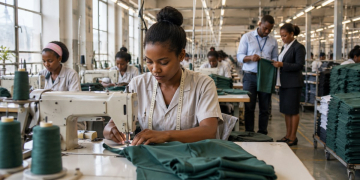
Equally significant is Isuzu’s move to transform its South African operations into the continent’s primary truck manufacturing hub. This localisation strategy means Africa will not just consume vehicles—it will produce them, creating jobs, stimulating supply chains, and embedding skills into local industries.
The shift also aligns with Africa’s broader industrialisation agenda under the African Continental Free Trade Area (AfCFTA), offering the possibility of standardised regulations and a regional EV supply chain.
The Infrastructure Challenge and Opportunity
The EV revolution cannot succeed without infrastructure. Across the continent, investment in charging stations, battery assembly, and smart grids remains limited. Yet this gap is also an opportunity. Public-private partnerships could drive the roll-out of EV infrastructure, while renewable energy integration offers the chance to leapfrog fossil-dependent systems.
Green finance will be critical here. Multilateral lenders and climate funds are already turning their attention to transport decarbonisation, and Africa’s growing EV ecosystem could become a magnet for such capital.
Policy and Consumer Dynamics
For EVs to succeed, governments must create enabling environments. South Africa has begun this journey, but other countries—from Morocco and Egypt to Kenya—are exploring similar strategies. Incentives such as reduced duties, access to financing, and targeted subsidies for charging infrastructure will play a decisive role.
At the same time, Africa’s youthful, urbanising population is increasingly receptive to technology adoption. Combined with rising demand for affordable mobility solutions, EV uptake could accelerate faster than many anticipate, provided cost barriers are addressed.
Driving a Continental EV Economy
The entry of Toyota and Isuzu marks more than just corporate milestones—it reflects the beginning of Africa’s EV transformation. The next decade could see Africa emerge not just as a consumer of electric mobility but as a manufacturer, innovator, and policy leader in sustainable transport.
If infrastructure keeps pace with investment and policy, Africa could carve out a unique role in the global EV industry—bridging industrial growth with climate responsibility. The road ahead is challenging, but the direction of travel is unmistakably electric.