Few business trips across Africa begin and end in a single city. An investor visit might pair a board meeting in Johannesburg with a site inspection in Zambia before the week is out. For travelers planning that kind of week, the choice between first class and a private jet depends less on which cabin is more comfortable and more on how many stops the itinerary holds.
Where First Class Excels on the Long-Haul Leg
First class is designed for long-haul flights. Most first-class cabins serving the continent are found on wide-body aircraft flying in from the Gulf and Europe, where a private suite and an unhurried overnight service turn the crossing into genuinely restful hours. Arriving in Johannesburg after a good night’s sleep is a strong start to any working trip.
Capacity on these routes keeps growing, with Gulf and European carriers adding frequencies and larger aircraft to South Africa’s main airports. For a traveler heading to one major hub, a first-class seat remains one of the most comfortable ways to cross continents.
Where a Private Jet Pulls Ahead on Multi-Stop Itineraries
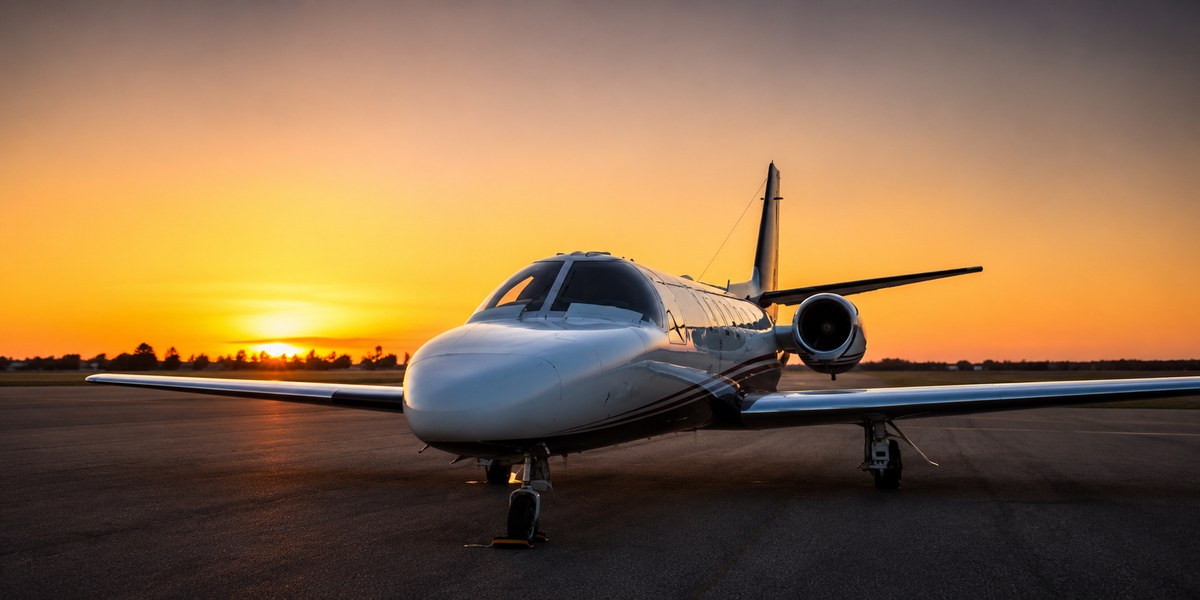
A reliable air charter service can provide one aircraft for the whole circuit, with each stage timed around the traveler’s meetings. That single change in planning is where private flying earns its place, because the itinerary is drawn up around the sequence of stops the traveler actually needs.
Cities that sit relatively close together but in different countries can be linked directly, in whichever order suits the schedule. If a negotiation in Accra runs into the evening, the departure for the next city can usually move with it. Over a week of regional travel, that flexibility can free up whole days that would otherwise go into planning connections.
Airport choice widens too. Business and light aircraft can use smaller airfields that sit closer to where the work, or the wildlife, actually is. Nairobi’s Wilson Airport, around 5km from the city center, is described by the Kenya Airports Authority as a regional hub for general aviation, with routes to the Maasai Mara, Amboseli, Lamu and Kilimanjaro.
A delegation could finish meetings in the capital in the morning and reach a lodge in the Mara the same day. With one night there, the next day can begin with a balloon safari over the plains at dawn, followed by a champagne breakfast in the bush, and the aircraft can still have everyone at their next meeting by the afternoon.

The cabin itself becomes part of the working day. With only colleagues on board, board papers can be reviewed openly and calls taken between stops, so the hours in the air carry on from the meeting room rather than interrupting it.
A Three-Country Circuit in Practice
Consider a mining investor who wraps up meetings in Johannesburg on a Thursday and wants two nights near Chobe National Park before a Monday appointment in Cape Town. By charter, the first leg can fly directly to Kasane International Airport in Botswana, a short drive from the park, so the safari can start within hours of the last meeting.

Across the border in Zimbabwe, Victoria Falls International Airport adds another option. Its 4,000m runway can handle wide-body jets, and the airport sits around 18km from the town of Victoria Falls, according to Airport Technology. A morning at the Falls can be slotted in on the Saturday before the aircraft repositions, and on Sunday evening the investor flies south to Cape Town, ready for Monday.
Building the same route around scheduled services is possible, and plenty of travelers enjoy doing so. What charter offers is control, since both the order of stops and the time spent at each one stay in the traveler’s hands. On a four-stop trip across three countries, that control is often the deciding factor.
This is just an example, and you could do the same multi-country bounce-around further north. A roadshow linking Lagos and Accra before a final day in Nairobi follows a pattern that a private aircraft handles naturally, with the team arriving at each city on its own timetable and leaving when the last meeting ends.
Matching the Aircraft to the Itinerary
The simplest way to decide is to count the stops. For a single long-haul journey into one hub, first class offers excellent comfort and a restful arrival, and it is hard to improve on that purpose. Once a trip includes two or more regional legs, particularly across borders or into smaller airports, private charter starts to come out ahead.
Many travelers end up using both. First class carries them on the intercontinental fligjht into Johannesburg or Nairobi, and a chartered aircraft takes over from there for the regional circuit. Planning the trip stage by stage, rather than choosing one mode for the whole journey, tends to deliver the best of each.
The Best Itineraries Are Planned Leg by Leg
Business travel on the continent is rarely a single flight, and the most rewarding trips are planned with that in mind. First class remains a fine way to arrive. For everything that happens after landing, from the investor meeting in one capital to the evening at a lodge in the next country, a private jet turns a complicated route into a schedule that works around the people on board.
Quick answers
According to the article, once a trip includes two or more regional legs — particularly across borders or into smaller airports — private charter starts to come out ahead of first class. For a single long-haul journey into one hub, first class offers excellent comfort and a restful arrival.
The article highlights Wilson Airport, around 5km from Nairobi’s city centre, as a regional hub for general aviation with routes to the Maasai Mara, Amboseli, Lamu and Kilimanjaro. It also mentions Kasane International Airport in Botswana as a convenient entry point for travellers visiting Chobe National Park.