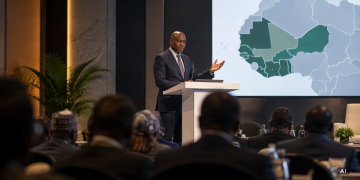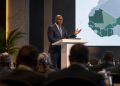
At the COP31 Leaders’ Summit in Antalya on 11 November 2026, President Daniel Chapo called on bilateral and multilateral partners to fund climate adaptation at scale. ‘To strengthen climate resilience and protect the population, Mozambique requires approximately US$37.2bn over the next 10 years,’ he said. The appeal covers adaptation, disaster-risk reduction and community protection.
The request has a clear economic basis. Chapo cited more than 76 climate-related disasters between 2000 and 2025, causing losses above US$4.5B. Those shocks damaged homes, transport links, public services and productive assets. Recovery costs fall on the state and affected businesses.
The most recent rainy season reinforced the argument. The period from October 2025 to April 2026 caused 311 deaths and affected about 1.07 million people, according to Mozambique’s National Institute for Disaster Risk Management and Reduction.
Building systems before the next shock
Mozambique has not waited for finance to arrive. The government has developed 141 local adaptation plans and established more than 1,500 local disaster-risk management committees, according to COP31 reporting. A National Adaptation Plan integrates climate risks into local development planning and prioritises early-warning systems.
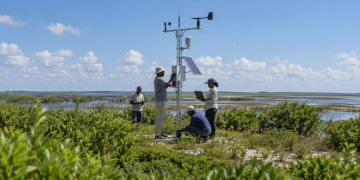
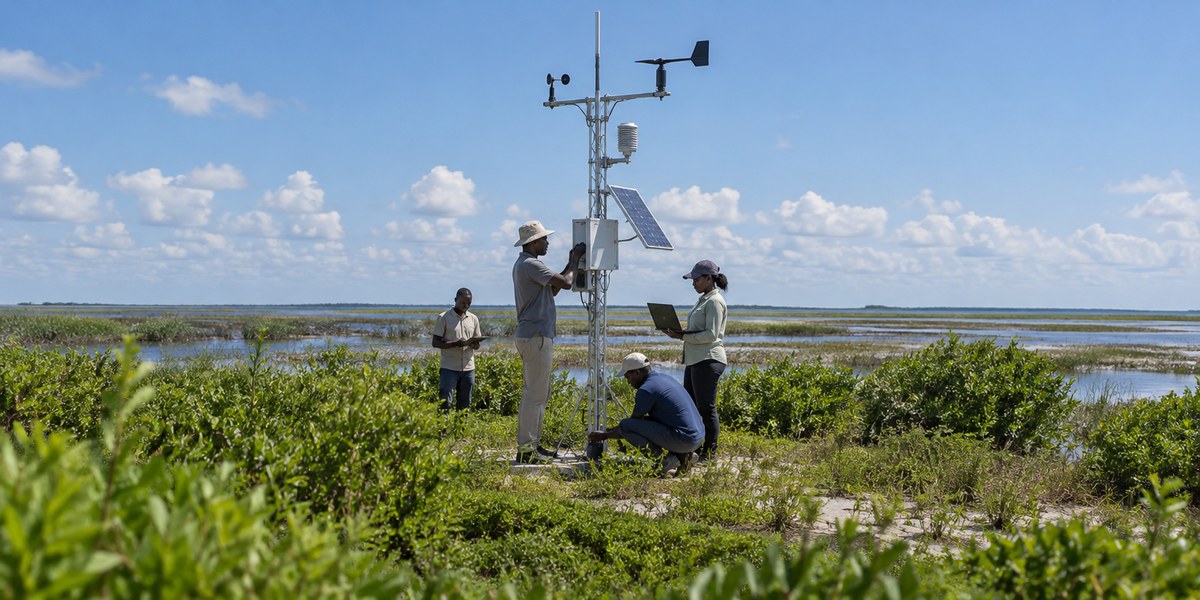
These structures create a credible pipeline for development finance. Funding can flow into weather monitoring, evacuation systems, flood protection and climate-aware public investment. By FurtherAfrica’s reading of the numbers, the priority is a clear shift from emergency response towards planned risk reduction.
Mozambique is not pressing alone — the Adaptation Fund recently committed US$35M to African climate resilience, signalling growing multilateral appetite for such investments.
| Indicator | Figure | Source / Period |
|---|---|---|
| Total financing request | US$37.2B | President Chapo, COP31, 11 Nov 2026 |
| Climate disasters | 76+ | Chapo at COP31, 2000–2025 |
| Economic losses | US$4.5B+ | Chapo at COP31, 2000–2025 |
| Local adaptation plans | 141 | COP31 reporting |
| Disaster-risk management committees | 1,500+ | COP31 reporting |
| Deaths, Oct 2025–Apr 2026 | 311 | National Institute for Disaster Risk Management and Reduction |
| People affected, Oct 2025–Apr 2026 | 1.07 million | National Institute for Disaster Risk Management and Reduction |
What does the financing need mean for investors?
The US$37.2B request tests climate-finance providers’ ability to fund adaptation at scale. Unlike mitigation projects, resilience assets produce returns mainly through avoided losses. That structure can limit predictable revenue streams.
However, public guarantees, results-based funding and insurance-linked instruments can improve bankability. Chapo urged major economies to reduce emissions and honour existing climate-finance commitments. He linked Mozambique’s appeal to wider calls for more accessible funding across Africa.
‘Mozambique’s climate-finance request converts repeated disaster losses into a sizeable infrastructure investment agenda.’ Development financiers will watch how the National Adaptation Plan translates into costed projects. Investors should track donor commitments, project preparation and the role of guarantees in mobilising private capital.
Quick answers
President Daniel Chapo announced at COP31 on 11 November 2026 that Mozambique requires US$37.2B over the next ten years for climate adaptation, disaster-risk reduction and community protection.
More than 76 climate-related disasters struck Mozambique between 2000 and 2025, causing economic losses above US$4.5B, according to figures Chapo cited at COP31.
The government has developed 141 local adaptation plans and established more than 1,500 local disaster-risk management committees, alongside a National Adaptation Plan focused on early-warning systems and climate-aware development planning.