This pivotal trilateral summit, named the “G3 Climate Summit,” underscores Brazil’s renewed commitment to international climate diplomacy.
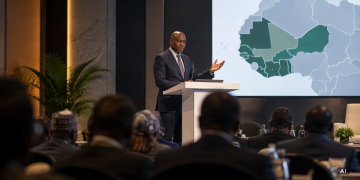
Set in Kinshasa, Lula joins forces with DRC’s Felix Tshisekedi and Indonesia’s Joko Widodo, representing the Amazon, Congo Basin, and Borneo-Mekong Basin, respectively. A shared vision binds these leaders as custodians of critical rainforest ecosystems.
DRC hosts 60% of the Congo Basin, the planet’s largest carbon sink, sequestering a remarkable 1.5 billion tonnes of CO2 annually. This summit amplifies the call for coordinated action, moving beyond fragmented efforts to a united stance.
Pioneered before the G20 summit in Bali, the DRC-Brazil-Indonesia partnership gains traction, fortified at the recent Amazon rainforest summit in Belém. Their collective commitment to fortify rainforest resilience and advocate equitable compensation for affected populations is unwavering.
Also read: Brazilian development bank to fund agribusiness in Angola
Kinshasa’s summit extends beyond preservation, addressing societal welfare and economic growth. The dialogue seeks a harmonious synthesis, not only safeguarding national interests but the collective future of humanity.
President Lula’s return to the forefront of African diplomacy signifies Brazil’s determined climate resurgence. Emerging from a period of environmental strain under Jair Bolsonaro’s administration, Lula pledges a paradigm shift, echoing his commitment to prioritize ecological integrity.
This diplomatic crescendo in Kinshasa marks Brazil’s triumphant reentry onto the global stage, a beacon of financial prowess intertwined with ecological stewardship. As conversations unfold under the Congo’s verdant canopy, a powerful narrative of revitalized diplomacy resonates, underscoring Brazil’s unwavering commitment to the environment.