A clearer legal route for small miners
The National Assembly approved Law No. 7/2026 on 7 May 2026. Mozambique published the law on 3 June, according to reporting by 360 Mozambique.
The legislation introduces separate licences for artisanal and small-scale mining. It also allows authorities to reserve areas specifically for these activities.
The changes recognise the sector’s different operating models. They also create a clearer route into the formal economy.
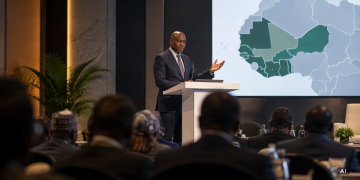
Jorge Gerson Momade Daúde, Mozambique’s secretary of state for mines, outlined the reforms in Maputo on 2 October. He spoke at a national dialogue on artisanal and small-scale mining.
The Centre for Democracy and Human Rights organised the forum. Its agenda covered formalisation, human rights and local development.
The law also places human rights within the mining framework. Holders of mining rights must submit periodic compliance reports, according to Daúde.
They must also communicate those results to the relevant authorities. Monitoring provisions cover conditions in mining areas and the effects on nearby communities.
The framework states that mineral resources must benefit local communities. Access, use and resource benefits must respect their rights, Daúde said.
The law further provides compensation and resettlement where mining affects pre-existing community rights.
Mozambique’s mining reform links formal licences with stronger community safeguards.
What does the reform mean for investors?
The artisanal sector has significant economic reach. Mozambique’s 2021 Artisanal Miners Census recorded approximately 230,000 miners, according to Daúde.
The same census counted more than 800,000 people across the wider value chain. Daúde said the total may have increased since the census.
The figures show why formalisation matters beyond mining permits. Artisanal activity supports households, local markets and provincial economies.
However, operators still face major constraints. These include limited geological information, weak technical support and difficult routes to market.
Access to finance remains another barrier. Inspection capacity also needs strengthening, particularly in areas with rapid informal activity.
The new licences could improve visibility across the sector. They may also support better access to finance, technical services and lawful buyers.
Yet implementation will determine the commercial impact. Authorities must define reserved areas clearly and process applications efficiently.
They must also enforce operating standards consistently. Investors will watch whether reporting requirements produce reliable information.
Community engagement will remain equally important. Compensation and resettlement rules can reduce disputes when projects affect established rights.
Meanwhile, conditions in Manica province show the practical challenges. Disorganised extraction has damaged soil and polluted waterways, according to Daúde.
Those impacts can threaten farming, public health and local livelihoods. Effective oversight must therefore cover entire mining areas and connected communities.
The government is also preparing wider extractive-sector regulations. Rules for mining, petroleum and local content are nearing approval, Daúde said. Officials expect to submit them to the Council of Ministers within days.
Together, the measures aim to increase national participation and local economic benefits. Mozambique’s broader tax and regulatory reforms signal a consistent push to improve the investment environment across the extractive sector.
For investors, the next signal will come from implementation. They should track licensing procedures, reserved-area maps, compliance reporting and community agreements.
The pace of technical assistance and finance will also shape formalisation. Those factors will determine whether the Mozambique mining law converts legal protection into investable, productive activity.
Quick answers
Law No. 7/2026, approved on 7 May 2026, creates dedicated licences for artisanal and small-scale miners and allows authorities to reserve land specifically for their activities, giving the sector a clearer route into the formal economy.
Mozambique’s 2021 Artisanal Miners Census recorded approximately 230,000 miners, with more than 800,000 people across the broader value chain; officials note the figure may have grown since.
The law requires mining-rights holders to submit periodic human rights compliance reports, mandates monitoring of impacts on nearby communities, and provides for compensation and resettlement where mining affects pre-existing community rights.