Africa holds substantial deposits of copper, cobalt, lithium, graphite and rare earth elements. These minerals sit at the core of electric vehicles, batteries and renewable energy systems. Yet much of the continent’s output still leaves as unprocessed ore.
China brings capital, equipment and deep expertise across mineral value chains. That combination gives African producers a credible route towards refining and domestic manufacturing. However, investors assess more than resource quality. They examine power supply, transport links, policy stability and the reliability of local partners.
From Extraction to Industrial Capacity
Mining infrastructure can generate wide economic benefits when governments embed it in national development plans. Roads, railways, ports and power grids connect producers with markets and support other industries along the way.
The Simandou iron ore project in Guinea illustrates the scale possible. It includes a deepwater port and a railway corridor exceeding 600 kilometres linking mining areas with the coast. Those assets can serve multiple projects and support agriculture and commerce along transport corridors.
Zambia and the Democratic Republic of Congo rank among the world’s leading copper and cobalt producers respectively. Zimbabwe holds significant lithium resources. Expanding processing capacity in these countries could generate skilled employment, develop local suppliers and accelerate technology transfer.
Chinese companies are also advancing green mining technologies. At the 2026 China International Mining Conference in Tianjin, which opened on 10 September, exhibitors showcased intelligent mining equipment, digital monitoring systems and energy-efficient mineral processing solutions. These tools can improve recovery rates and reduce operational costs at remote sites.
What Does the Cooperation Mean for Investors?
Skills transfer is where capital investment becomes lasting local capability. African engineers, geologists and environmental specialists need direct access to project experience and technical systems. Without that, technology arrives without roots.
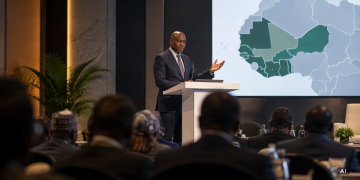
Kenya’s participation in the Tianjin conference signals growing continental ambition. Mining Cabinet Secretary Hassan Joho presented investment opportunities in coltan, copper, lithium, niobium and rare earth elements. He also outlined governance reforms designed to improve transparency and predictability for investors entering the sector.
For African governments, the priority is negotiating partnerships that retain more value at home. That means linking mining licences with processing commitments, local procurement targets and skills development benchmarks. For Chinese companies, the opportunity extends beyond equipment supply. It includes building industrial platforms with African partners and developing regional markets.
Environmental performance is now part of the commercial equation. Water recycling, land rehabilitation and on-site renewable power reduce operating risks and widen access to development finance. As one analyst framing the debate put it: mineral wealth only becomes economic wealth when it is processed, not simply extracted.
Investors should watch whether announced cooperation produces bankable processing plants, reliable infrastructure and measurable gains in local technical capacity over the next 24 months.
Quick answers
The Democratic Republic of Congo and Zambia are key copper and cobalt producers, Zimbabwe holds major lithium resources, and Kenya is actively promoting deposits of coltan, lithium, niobium and rare earth elements to Chinese and other investors.
The conference, which opened on 10 September 2026, featured Chinese companies showcasing intelligent mining equipment, digital monitoring systems and energy-efficient mineral processing technologies, alongside African government delegations presenting investment opportunities.
Investors should monitor whether announced cooperation translates into bankable processing plants, reliable transport and power infrastructure, and measurable growth in local technical skills within the next 24 months.