This season, delayed rainfall has hit maize and potato growers hard. Farmers face tighter planting windows and weaker germination across multiple districts.
Evariste Tugirinshuti, president of the Rwanda Maize Farmer Cooperatives Federation, said some farmers received rain only in mid-October 2026. Maize planted in September struggled to germinate, resulting in direct losses. Rwanda produced roughly 600,000 tonnes of maize in 2025, according to government data, and aims to raise annual output to approximately 900,000 tonnes by 2029.
That gap in production raises the value of better farm decisions. Irregular rainfall makes those decisions harder. Farmers need reliable guidance before buying seed, preparing land and committing labour.
Delayed rain raises demand for irrigation
The Rwanda Meteorology Agency forecast a staggered rainfall onset for districts including Kirehe, Ngoma and Kayonza between 6 and 13 October 2026. The staggered pattern reflects markedly different conditions across the country. Potato growers in Burera also reported delayed germination after prolonged dry spells.
Meanwhile, the government has urged farmers to plant where rain has arrived. The Rwanda Agriculture Board confirmed that dry conditions affected several northern districts this season.
Rwanda has identified 610,595 hectares with irrigation potential, per government figures. More than 417,000 hectares remain undeveloped. Existing infrastructure covers 37,273 hectares of marshland, 10,159 hectares of hillside plots and 27,791 hectares served by small-scale irrigation technology.
These figures point to a clear investment pipeline. Irrigation expansion reduces exposure to delayed rainfall and creates demand for pumps, storage, distribution networks and farm-level monitoring systems.
| Measure | Figure |
|---|---|
| Maize production, 2025 | ~600,000 tonnes |
| Maize output target, 2029 | ~900,000 tonnes annually |
| Total irrigable land | 610,595 hectares |
| Undeveloped irrigation potential | 417,000+ hectares |
What does the AI forecasting opportunity mean for investors?
AI and machine learning can process large datasets and sharpen local forecasts. They can also correct systematic errors and support earlier planting alerts. Farmers could use those services to choose planting dates, select crop varieties and prepare for heavy rain events.
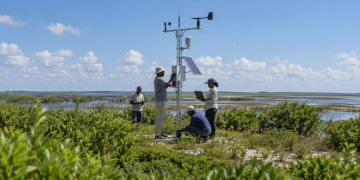
No single technology replaces missing weather observations. Reliable forecasts require quality data. Weather stations, historical records and consistent field observations determine forecast quality.
By FurtherAfrica’s reading of the numbers, Rwanda’s opportunity sits between data and physical assets. Forecast services guide irrigation investment; irrigation, in turn, strengthens demand for those very services. Local partnerships will matter as much as software.
The single clearest market signal: over two-thirds of Rwanda’s irrigable land sits undeveloped, making every rainfall disruption a direct argument for capital deployment in water infrastructure and digital agri-services.
Investors should watch the next phase of irrigation funding announcements, weather-station expansion tenders and the rollout of locally tailored forecasting tools across the 2027 budget cycle.
Quick answers
Some farmers in districts including Kirehe, Ngoma and Kayonza did not receive rainfall until mid-October 2026. Maize planted in September failed to germinate properly, causing direct crop losses.
Of Rwanda’s 610,595 hectares identified as having irrigation potential, more than 417,000 hectares remain undeveloped, representing the bulk of the country’s water-infrastructure investment opportunity.
Rwanda produced roughly 600,000 tonnes of maize in 2025 and aims to reach approximately 900,000 tonnes annually by 2029. Closing that gap depends on reducing weather-related planting disruptions through irrigation and better forecasting.